


Buddha hand symbols, known as Mudras, are more than just pretty poses in ancient art. We at Buddha Bodhis see them as a “Yoga of the Hands” that helps balance our internal energy, or Prana (气). These sacred gestures act as a bridge between your mind and the cosmic order.
Quick Summary: Buddha Mudras are energetic seals used to show spiritual states and protect the person holding them. They started in ancient Vedic traditions and help people find peace and focus during meditation. Each finger position has a special job in keeping your spirit healthy.
When you look at a Buddha Statue, you are seeing a “silent sermon.” These gestures tell stories of how the Buddha found peace without using a single word. Our team believes that understanding these signs helps us live with more purpose today.
Ancient Origins and Sacred Legends: The Birth of the Silent Sermon
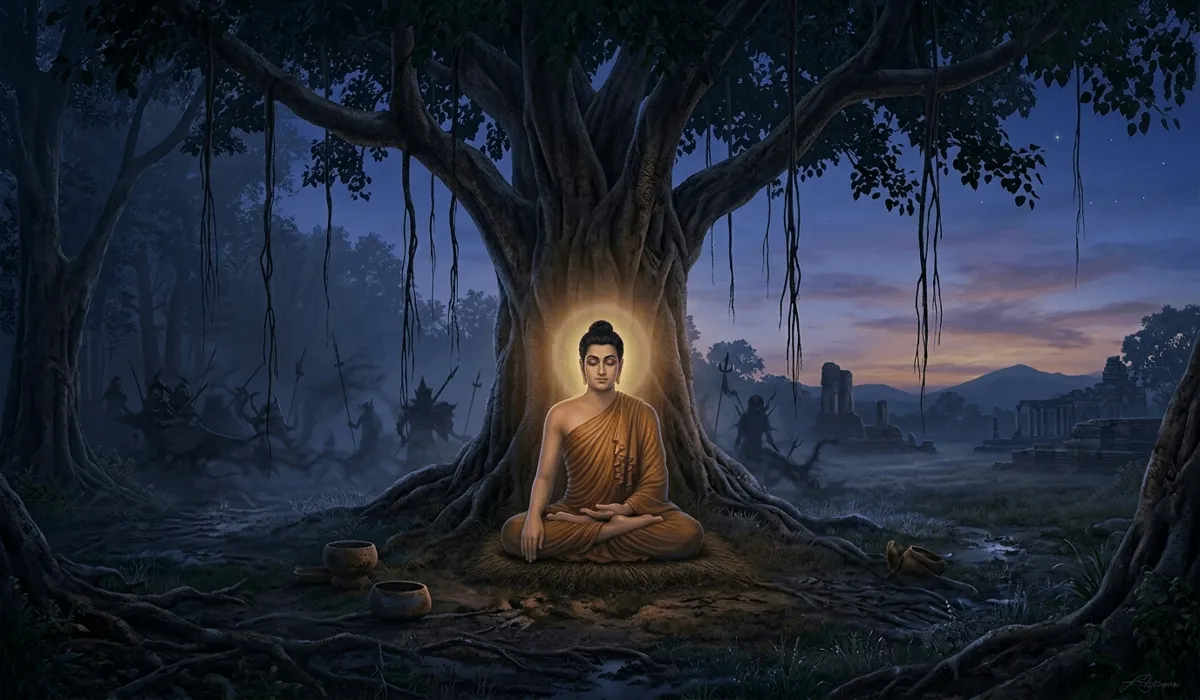
The history of these hand signs starts with a famous story under a Bodhi Tree. Legend says that Siddhartha Gautama sat in deep meditation when a demon named Mara tried to scare him. The Buddha did not run away or get angry; he simply touched the ground with his right hand.
This act is the Bhumisparsha mudra, which means “touching the earth.” He called the Earth Goddess to watch his victory over the demon and see his true Enlightenment. From that moment, hand signs became a way to record deep truths and spiritual wins.
These symbols grew as they moved through different cultures like Theravada, Mahayana, and Vajrayana Buddhism. In early times, they were part of fire ceremonies, but later they became part of the art we love. Each new school of thought added more meaning to how the fingers move.
The Evolution of Symbolic Wisdom
The Buddha decided to use these signs after seeing “Four Signs” in the world: old age, sickness, death, and a holy man. These sights made him seek a way to end suffering for everyone. He used mudras to anchor these big ideas into physical forms that we can see and feel.
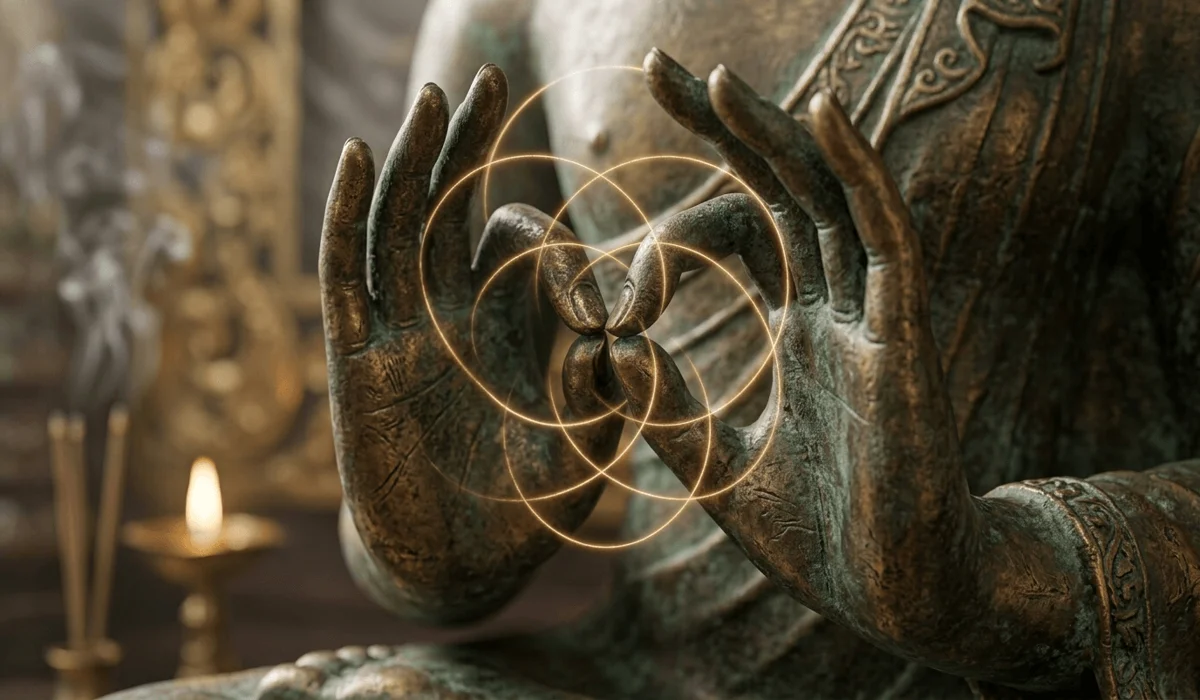
Hidden Philosophy: Decoding the Symbolic Language of Mudras
The philosophy behind these gestures is that our hands are like a small map of the whole universe. By touching certain fingers together, we can “seal” our focus and stop our energy from leaking out. This helps us stay calm when life gets very busy or loud.
The Abhaya Mudra is the gesture of fearlessness and is one of the most popular signs. You see it when the right hand is held up with the palm facing out. It acts like a shield that tells us we are safe and protected from fear.
Another key sign is the Dharmachakra mudra, which looks like two circles made with the fingers. This represents the “Wheel of Dharma” and the way wisdom never stops moving. It reminds us that everything in the universe is connected and always changing.
Primary Mudras and Their Meanings
- Dhyana Mudra: Both hands rest in the lap, showing the perfect balance of a calm mind.
- Varada Mudra: The hand points down with the palm open, showing kindness and the act of giving.
- Vitarka Mudra: The thumb and index finger touch to form a circle, representing the flow of logic and teaching.
These gestures use sacred geometry to help us reach higher levels of thought and peace. The way the palms face can change the energy from a personal feeling to a gift for others. Understanding these details helps you choose the right Spiritual Symbols for your own home or office.
Cultural Evolution: East vs. West Perspectives
In East Asia, especially in Zen traditions, the focus is on being very simple. They often use the Dhyana mudra to help people sit still and clear their minds. This minimalist style helps people find quiet in a world that is always moving.
In the Himalayan regions, like Tibet, the Vajrayana tradition uses very complex hand signs. These are often used with special chants called mantras to make a fast change in a person’s spirit. They believe these signs can unlock hidden powers inside us very quickly.
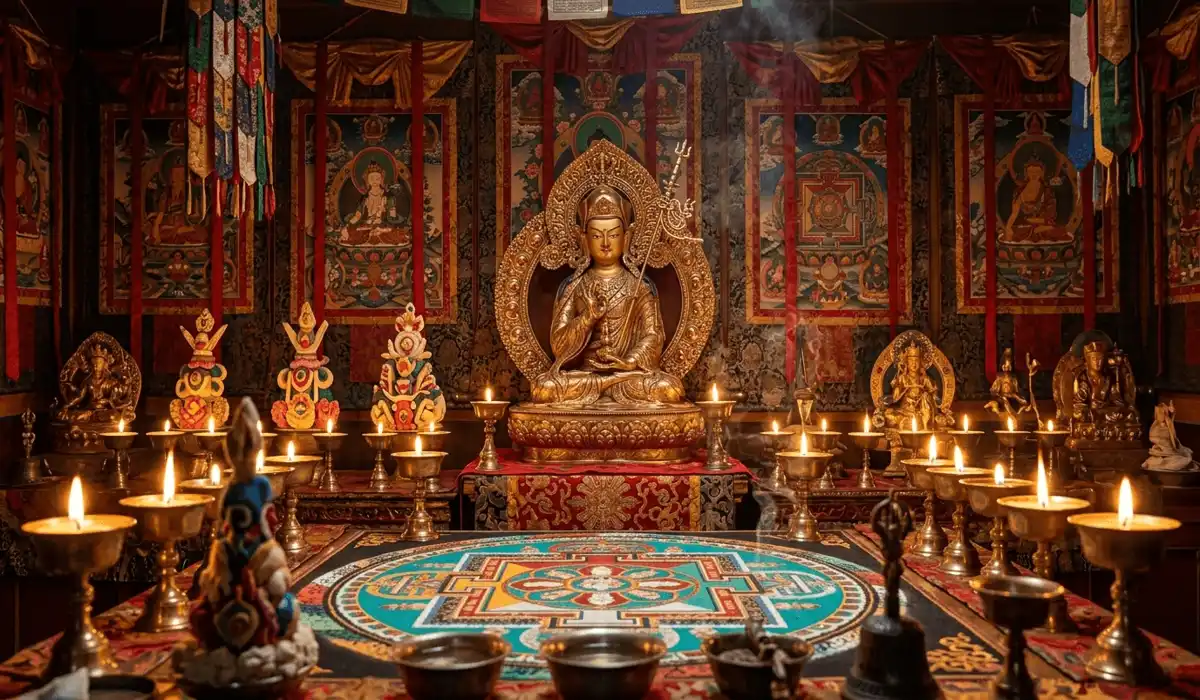
In the West, many people use these symbols as a “Mindfulness Anchor” to help with stress. They might not follow the religion, but they find peace in the Zen Home Decor. It serves as a visual cue to breathe and stay present during a long work day.
Adorning the Sacred: Why Mudras Matter in the Modern Age
Modern life can lead to something we call “Digital Fatigue,” where our brains feel tired from too many screens. Looking at an Abhaya Mudra statue can actually help reset your nervous system. It gives your eyes a place to rest that feels safe and solid.
We can use the Vitarka mudra when we need to focus on a hard task or study for a test. The circle formed by the fingers reminds our brain to keep our thoughts clear and connected. It is a simple tool that has worked for thousands of years.
Expert Tip: Place a statue with the Dhyana mudra in your workspace. Every time you feel overwhelmed, look at the hands for ten seconds and take three deep breaths to regain your center.
Using these signs in your home also affects the Chi (气) or energy of the room. A statue with a protective gesture can make a hallway feel more welcoming. It is all about setting an intention for how you want your space to feel every day.
Ritual and Practice: How to Use Buddha Mudras for Meditation
You do not need to be a monk to use these hand positions in your daily life. The Bhumisparsha gesture is great for grounding when you feel scattered. You can sit on the floor and let your fingers touch the carpet or grass to feel more connected to the earth.
If you want to feel more generous or open to new things, try the Varada mudra. This “gesture of giving” helps change your mindset from being worried about not having enough to feeling full of life. It is a powerful way to change how you see the world.
You can also watch this video to see how to form these shapes with your own hands. It shows the most common gestures used in art and meditation today.
Video source: YouTube
Author: Bodhisattva
Original video link: https://www.youtube.com/watch?v=rmSvojqIed8
Many people like to pair these mudras with specific stones for better results. For example, using a protective hand sign while holding a piece of black stone can help ward off bad vibes. It is a way to make your meditation feel more physical and real.
Cultural Etiquette and Taboos: Respecting the Sacred Form
Since these symbols are very old and sacred, there are some rules on how to treat them. You should never place a Buddha statue on the floor or in a bathroom. This is seen as very disrespectful to the Sakyamuni Buddha and the history he represents.
In Feng Shui (风水), the placement of the statue is very important for the energy of the house. Most experts say not to put a Buddha statue in the bedroom because it is a place for sleep and privacy. It is better to keep these symbols in a common area like a living room or office.
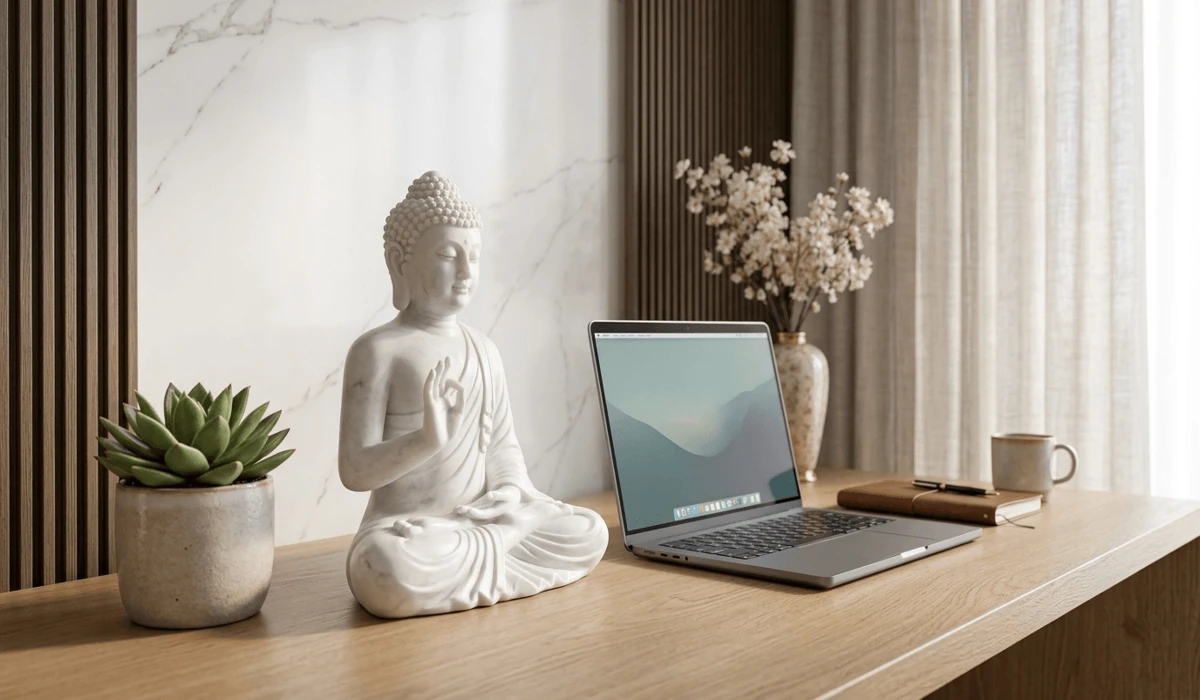
We should also treat these symbols as living teachers rather than just toys or decorations. Having a clear intention when you buy or place a statue makes the energy much stronger. It shows that you value the ancient wisdom that these hands are trying to share.
Actionable Steps: 1. Choose a mudra that matches your current goal. 2. Clean a high shelf to create a small altar. 3. Place your statue facing the main entrance. 4. Spend one minute each morning looking at the hand gesture to set your daily intent.
If you want to learn more about the meaning behind these figures, you can check Encyclopaedia Britannica for historical facts. They have a long history of documenting how these traditions grew over time. You can also see more Buddha Statue options to find the one that feels right for your home.
Comparison of Major Buddha Mudras
| Mudra Name | Hand Position | Spiritual Meaning | Best Use |
|---|---|---|---|
| Abhaya | Right hand up, palm out | Fearlessness & Protection | Overcoming anxiety |
| Bhumisparsha | Right hand touching earth | Victory over illusion | Feeling grounded |
| Dhyana | Both hands in lap | Deep meditation | Focus and calm |
| Varada | Hand down, palm out | Charity & Compassion | Manifesting abundance |
| Vitarka | Thumb & Index touching | Wisdom & Discussion | Studying or working |
Each culture might have a slightly different way of showing these, but the heart of the message stays the same. For more on how these symbols fit into a larger world, you can read about Ganesha Statue Meaning to see how other figures use similar signs. Understanding these details helps you appreciate the art much more.
Frequently Asked Questions
Q: What is the spiritual ROI of the Abhaya mudra for modern anxiety?
A: Focusing on the gesture of no-fear triggers a calming response in your body. It acts as a visual sign to let go of stress and trust that you are safe in your environment.
Q: Why do Buddha hand symbols differ across Zen and Tibetan traditions?
A: Zen focus is on inner quiet and simple forms like the meditation mudra. Tibetan traditions use mudras as tools for ritual energy and change, so they often look more complex and active.
Q: What is the meaning of the thumb and index finger touching in Vitarka mudra?
A: It represents a circle of logic that never ends. It shows how wisdom and the empty void come together to help us understand the truth about the world.
Q: Which Buddha hand position is best for attracting wealth and abundance?
A: The Varada mudra is best because it represents giving and charity. Ancient wisdom says that being open and generous is the best way to invite more prosperity into your life.
Q: Can placing a Dhyana mudra statue in a home office reduce burnout in 2026?
A: Yes, it serves as a constant reminder to stay calm and balanced. Having a visual anchor helps your brain stay in a meditative state even when your work gets very stressful.
Conclusion: Integrating the Wisdom of the Mudras
We hope these silent gestures of the Buddha help you find more peace and balance in your daily life. By bringing these ancient energies into your home, you create a space that supports your soul. Whether you need protection, focus, or a sense of being grounded, there is a hand sign that can help.
You can learn more about the Feng Shui Society (UK) for tips on where to place your spiritual items. They offer great advice on making your home feel harmonious and full of good energy. You can also browse our Ganesha Statue Meaning guide for more cultural insights.
To find the perfect piece for your journey, take a look at our Buddha Statue collection today. For more general info on art and history, you can visit Wikipedia to see how these signs have changed over the years. May these mudras bring you a life of clarity and joy.
The content provided here is for informational and cultural exchange purposes only. It does not constitute medical, legal, financial, or other professional advice. Readers should consult with qualified professionals if they have specific needs or concerns regarding their health or well-being.
Written by the Buddha Bodhis Team
Since 2020, we have been devoted to exploring traditional year-based wisdom, classical Feng Shui principles, and the rich spiritual symbolism rooted in Eastern cultural heritage. Our work bridges ancient metaphysical systems with modern life, interpreting annual cycles, elemental energies, and symbolic meanings to offer thoughtful insight and practical guidance. Through continuous research and practice, we aim to preserve traditional knowledge while making it accessible, relevant, and meaningful for contemporary seekers of balance, intention, and personal growth.
TikTok | YouTube | Pinterest | X
buddhabodhis@gmail.com